Source Under Glazed Porcelain Plates And Bowls Set For Hotels
Compare 30 listings of under glazed porcelain plates and bowls set from verified Chinese manufacturers. Buyers can evaluate customization options, certifications like FDA and LFGB, and pricing for daily use dinnerware in hotels and homes; compare the available evidence and request quotations based on your requirements.
Key considerations
Products List


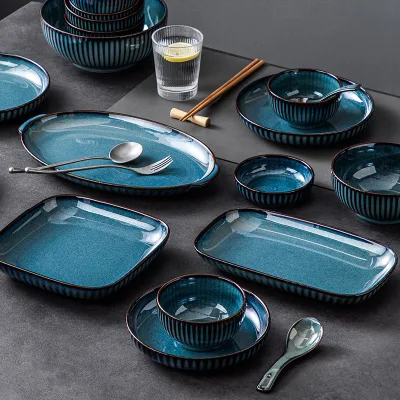


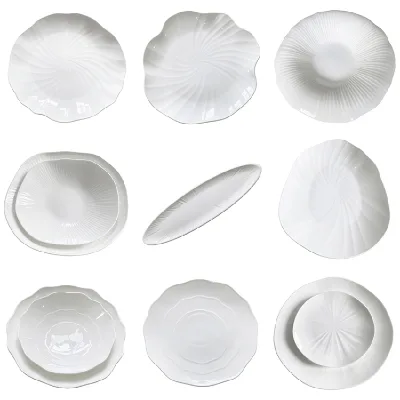


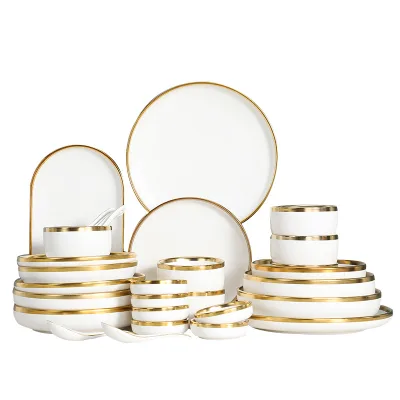


Comprehensive Sourcing Guide
Under Glazed Porcelain Plates and Bowls Set Sourcing Guide
Sourcing under glazed porcelain dinnerware requires a strategic balance between aesthetic durability and functional safety. The under-glaze technique involves applying decorative pigments beneath a transparent glaze layer, which is then fired at high temperatures. This process ensures that the design is protected from wear, scratching, and chemical leaching, making it ideal for high-volume commercial and residential use. Buyers must verify that the ceramic body meets specific density and thermal shock resistance standards to prevent cracking during rapid temperature changes in dishwashers or microwaves.
Procurement teams should prioritize suppliers who offer transparent customization options, as many listings indicate flexible OEM and ODM capabilities. The observed market includes a wide range of sizes, from small 240ml bowls to larger 1000ml serving pieces, allowing for versatile set configurations. It is critical to confirm whether the supplier provides stock items for immediate deployment or requires custom manufacturing runs. Understanding the distinction between standardized stock models and fully customized designs helps in planning inventory levels and managing lead times effectively for seasonal demand spikes.
Product Scope and Observed Listing Signals
The current market landscape for under-glazed porcelain sets reveals a diverse array of product attributes tailored to different buyer needs. Listings frequently highlight features such as eco-friendly materials, dishwasher and microwave safety, and classic styling. Many suppliers emphasize their ability to produce multicolor designs with plant-based patterns, catering to modern interior aesthetics. The presence of "stocked" items suggests that some manufacturers maintain inventory for rapid fulfillment, which is advantageous for buyers seeking quick turnaround times without compromising on quality or design specificity.
Observations indicate significant variation in minimum order quantities (MOQs), ranging from small batches of 10 units to large industrial orders of 5000 pieces. This flexibility allows both small boutique hotels and large institutional buyers to find suitable suppliers. Additionally, the availability of custom logo printing and tailored packaging solutions underscores the importance of brand identity in the dinnerware sector. Buyers should carefully review product descriptions to distinguish between non-disposable, high-grade bone china and standard ceramic options, as material composition directly impacts durability, weight, and overall user experience in daily use scenarios.
Technical Specifications to Verify
Technical verification begins with confirming the material grade and firing process. Buyers should request documentation that specifies whether the product is made from standard ceramic or higher-grade bone china, as this affects translucency and chip resistance. The under-glaze technique must be validated to ensure the pigment is fully sealed under the glaze, preventing lead or cadmium migration. Specifications such as plate diameter (e.g., 8-inch standards) and bowl capacities (240ml to 1000ml) must align with the intended service style. Accurate single package dimensions and gross weights are also essential for calculating freight costs and warehouse storage requirements efficiently.
Dimensional consistency and shape accuracy are critical for stackability and storage efficiency. Buyers should verify that the round shape and plate types meet precise tolerances to ensure uniform stacking in commercial dishwashers and storage racks. The technique used, whether under-glazed or over-glazed, must be explicitly stated, as under-glaze offers superior durability. Additionally, confirming the presence of specific safety features, such as microwave and oven safety, is mandatory. Suppliers should provide detailed technical sheets that outline thermal shock resistance and mechanical strength to prevent breakage during transit and daily handling in high-traffic environments.
Compliance and Safety Documentation
Regulatory compliance is non-negotiable for dinnerware entering international markets. Buyers must ensure that suppliers provide valid certifications such as FDA, LFGB, CE/EU, CIQ, and EEC approvals. These certifications confirm that the materials used are safe for food contact and meet stringent heavy metal migration limits. It is crucial to verify that the certificates are current and cover the specific product models being ordered. Documentation should explicitly state compliance with relevant regional standards, ensuring that the under-glazed porcelain does not leach harmful substances when exposed to acidic foods or high temperatures.
Beyond initial certifications, ongoing quality assurance requires regular third-party testing. Buyers should inquire about the supplier’s internal quality control processes, including random sampling rates and defect tolerance levels. Requesting recent test reports from accredited laboratories can provide additional assurance of product safety. Suppliers who offer OEM samples allow buyers to conduct independent verification of compliance claims before committing to large orders. Maintaining a clear audit trail of compliance documents is essential for mitigating legal risks and ensuring brand reputation remains intact in competitive markets.
Cost Drivers and Commercial Terms
Pricing for under-glazed porcelain sets is influenced by material quality, customization complexity, and order volume. Observed price ranges vary significantly, reflecting differences in ceramic grade and decorative intricacy. Buyers should analyze cost structures to understand how factors like custom logo printing, unique packaging, and specific size requirements impact the final unit price. Economies of scale are evident, with lower per-unit costs associated with higher MOQs. However, buyers must balance cost savings with the need for quality consistency, as excessively low prices may indicate compromised materials or rushed production processes.
Commercial terms also play a vital role in total procurement cost. Payment methods such as TT, DP at Sight, LC at Sight, and Western Union offer varying levels of security and flexibility. Buyers should negotiate clear terms regarding sample costs, which are often refundable upon bulk order placement. Shipping terms, including carton packing standards and single package weights, affect logistics expenses. Understanding the full cost landscape, including potential tariffs and insurance, helps in creating accurate budget forecasts. Transparent communication regarding price fluctuations due to raw material costs is essential for long-term supplier relationships.
Supplier Qualification and Quality Control
Evaluating supplier qualifications requires a thorough assessment of their manufacturing capabilities and quality management systems. Buyers should verify the supplier’s location, such as Liling, Hunan, or Guangdong, China, as these regions are known for ceramic production expertise. Assessing the supplier’s history with OEM and ODM projects provides insight into their flexibility and technical proficiency. Requesting references from previous clients, particularly those in the hospitality or retail sectors, can reveal the supplier’s reliability and consistency in meeting deadlines and quality expectations.
Quality control protocols must be robust to prevent defects in fragile ceramic products. Buyers should inquire about the supplier’s inspection procedures, including pre-shipment inspections and random sampling methods. Suppliers who offer customizable packaging and standard packing options demonstrate attention to detail in protecting goods during transit. It is advisable to conduct factory audits or hire third-party inspection services to verify production standards firsthand. Establishing clear communication channels for addressing quality issues ensures that any discrepancies are resolved promptly, minimizing disruption to supply chains and maintaining product integrity.
Long-Term Procurement Checks
Sustainable procurement practices require ongoing monitoring of supplier performance and market trends. Buyers should regularly review supplier compliance with environmental and safety standards, ensuring that eco-friendly claims are substantiated by verifiable data. Tracking changes in certification requirements across different markets helps in adapting procurement strategies to new regulations. Building strong relationships with suppliers who offer continuous improvement initiatives can lead to better pricing, innovative designs, and enhanced service levels over time.
Long-term success also depends on effective inventory management and demand forecasting. Buyers should analyze sales data to adjust order quantities and minimize excess stock or stockouts. Regularly evaluating the performance of different product models, such as varying sizes and styles, helps in optimizing the product portfolio. Staying informed about industry trends, such as new under-glaze techniques or sustainable material innovations, allows buyers to stay competitive. Continuous feedback loops with suppliers foster collaboration and drive mutual growth, ensuring that the procurement strategy remains aligned with evolving market demands and customer preferences.
FAQs
What certifications are available for these ceramic dinnerware sets?
These ceramic dinnerware sets are available with FDA, CIQ, LFGB, and EEC certifications. Some models also hold CE/EU marks. These certifications ensure the products meet international safety and quality standards for food contact, providing assurance for global buyers and regulatory compliance in various markets.
Can I customize the logo and design on these porcelain plates?
Yes, customization is available for these porcelain plates and bowls. Buyers can request custom logos and designs, with OEM and ODM services accepted. The products support customized standards and patterns, allowing businesses to tailor the appearance to their specific brand identity and market requirements effectively.
What is the minimum order quantity for these ceramic bowls?
The minimum order quantity varies by model, typically ranging from 10 to 5000 pieces. Specific models may require 1000 or 3000 pieces as the MOQ. Buyers should check the specific product model details to confirm the exact minimum order requirement for their desired ceramic bowl or plate set.
Are these under glazed porcelain items safe for microwave and dishwasher use?
Yes, these under glazed porcelain items are safe for microwave and dishwasher use. They are also oven-safe, making them versatile for daily use. The durable ceramic and porcelain construction ensures they can withstand high temperatures and frequent washing without compromising their integrity or safety for food service.
What sizes are available for these ceramic dinnerware sets?
Available sizes range from 240ml to 1000ml for bowls, with specific models like 4270 covering this range. Other models, such as 9046, offer sizes between 240ml and 400ml. Additionally, 8-inch plates are available. Buyers can select from these dimensions to suit their specific serving needs.
Where are these ceramic dinnerware sets manufactured?
These ceramic dinnerware sets are manufactured in China, with specific origins in Liling, Hunan, and Guangdong. These regions are known for their ceramic production expertise. Buyers can source directly from these locations, ensuring access to established manufacturing hubs with the necessary infrastructure for high-quality ceramic production.